Manual welding
Welding performance starts at the torch
October 17, 2025
A closer look at the most hands-on part of every weld.
Eetu Kivioja
Precision begins where the arc starts
When welders consider performance, the focus often falls on the welding machine, and for good reason. Today’s equipment is smart, adaptable, and powerful. But while the machine is the engine, the welding torch is the part held in hand throughout the process. It’s the interface. The part that translates movement into precision. And its role in the outcome of every weld deserves attention.
At Kemppi, the welding torch is considered an integral part of the process. One that has been developed with the same care, testing, and feedback as the machines themselves.
The welding torch as a tool of control
Technically, the welding torch does more than conduct power and deliver filler material and shielding gas. It enables the welder to guide the weld and adjust parameters in real time. It relays signals and executes the welder’s intention.
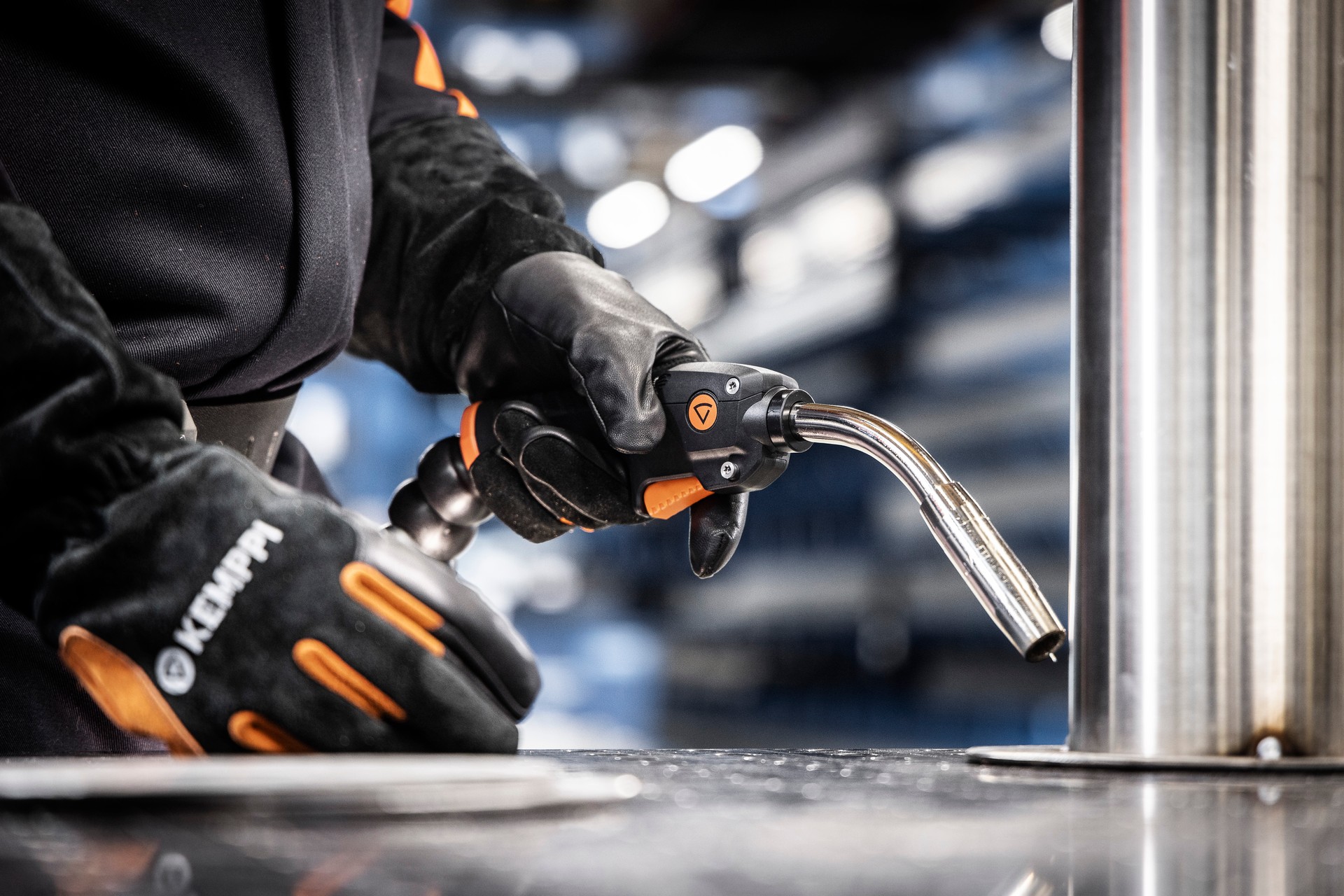
For professionals, it’s also the most physically present part of the process. The welding torch defines how the work feels. If it fits the hand well, if the grip is balanced, if the controls are placed where they naturally fall, it contributes to fluency, not friction.
Ergonomics, comfort, and safety
Welding often involves long hours in varied positions. A good welding torch supports the work, rather than adding to its demands. Design choices that improve ergonomics, like grip contour, trigger responsiveness, and weight balance, reduce fatigue. Over time, they reduce the risk of injury. Comfort in this context becomes a factor in both safety and productivity.
In confined or elevated positions, remote control functionality brings clear advantages. Adjustments can be made without stepping away or shifting posture, which keeps the welder focused and the workflow uninterrupted.
Built for demanding conditions
Workshops vary, but harsh conditions are a constant in professional welding. Heat, spatter, dust, and movement constantly test the limits of tools. Kemppi welding torches are built for this. The Flexlite GXe MIG/MAG welding torch series, for example, is tested for reliability in temperatures from -30°C to +40°C. Durability requirements follow military-grade standards. Additional tests, such as dust and splash resistance, go beyond what typical industrial standards require. These aren’t theoretical features. They contribute directly to uptime and job confidence.
What defines a durable, efficient welding torch?
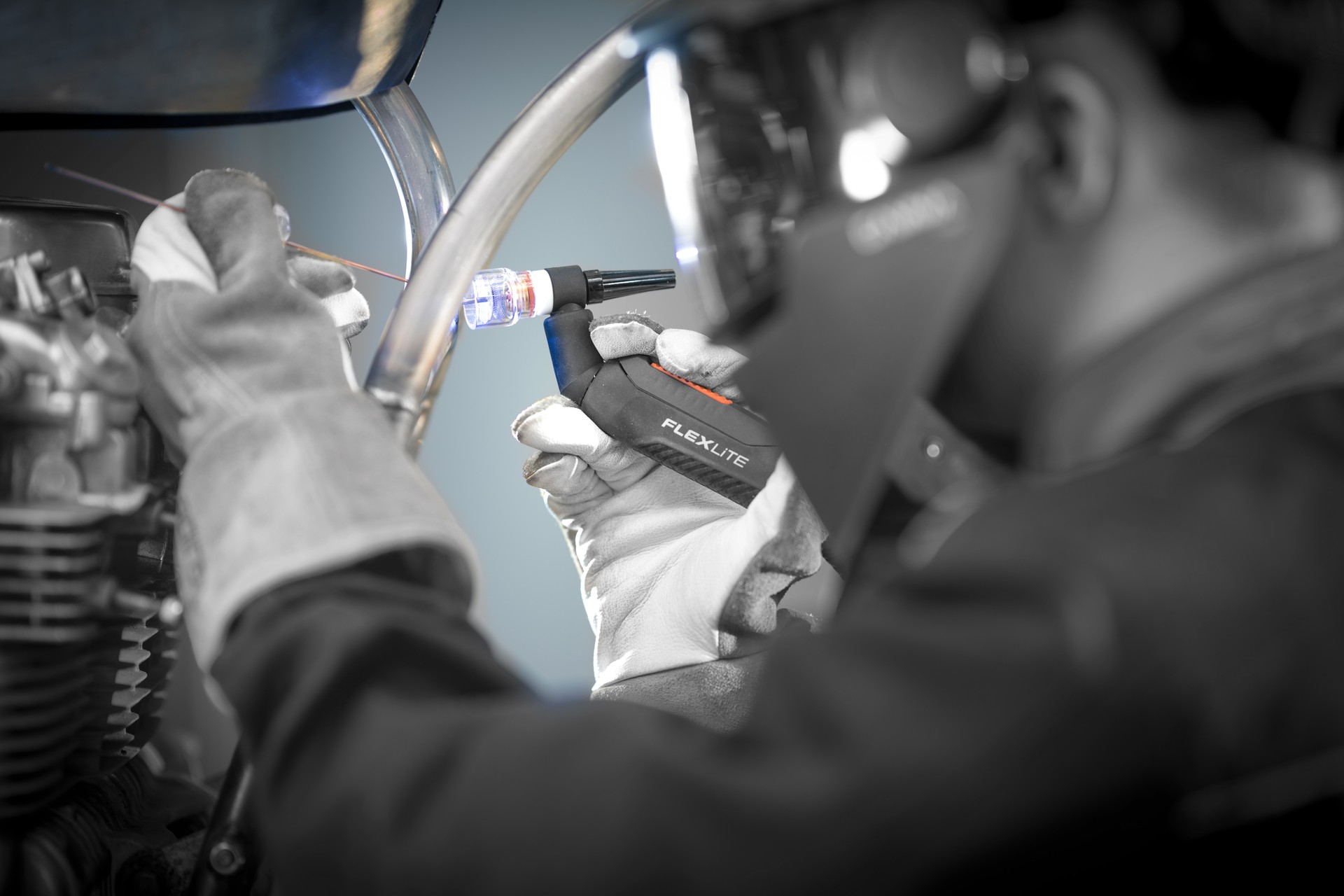
A high-performing welding torch reveals its value over time. While the fit in hand is something welders notice immediately, other strengths become clear through daily use. Effective shielding gas flow leads to cleaner welds and more efficient gas use. Consumable parts that last longer, reduce interruptions, and have a streamlined, balanced structure support better handling with less effort.
Kemppi’s welding torches, especially the Flexlite GXe series, have been engineered with durability and consistency in mind. Consumable parts are designed for extended life, sometimes lasting up to four times longer than standard options. These elements contribute to lower maintenance needs, fewer changeouts, and more time spent welding.
Looking beyond purchase price
Initial cost is only one part of the story. In a production environment, the total cost of use over time tells more. When a welding torch offers longer service life, fewer consumables, less downtime, and better ergonomics, it affects both operating costs and output. For example, fewer changeouts mean more arc time. A better grip and reduced strain result in fewer health-related absences. These are measurable impacts.
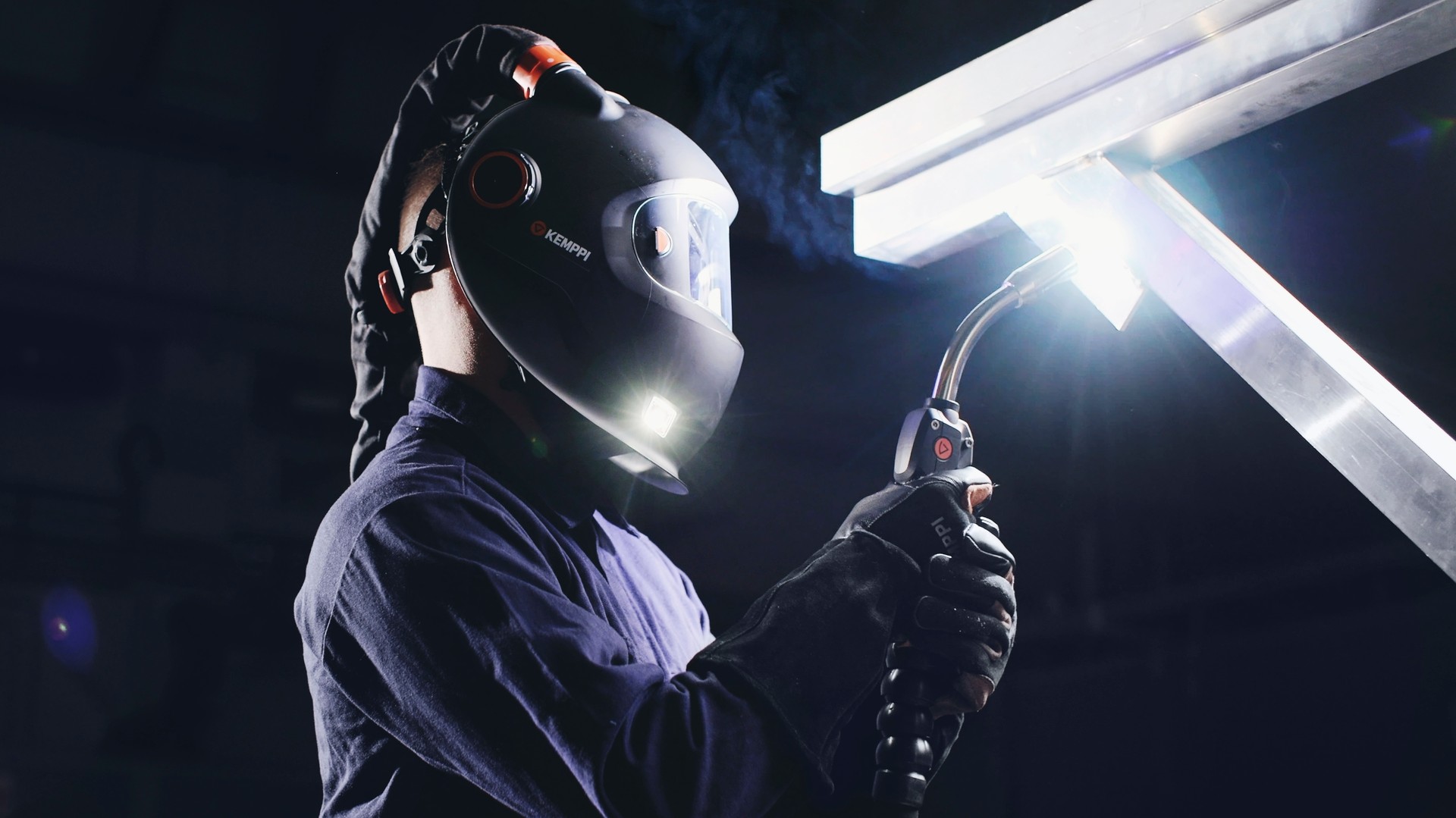
Optimized pairing with Kemppi machines
Kemppi welding torches are developed alongside Kemppi welding machines. This means shared design principles, aligned control systems, and proven compatibility. Using a Kemppi welding torch with a Kemppi welding machine allows the system to perform as intended. Welders gain access to full functionality with minimal friction. The machine’s precision becomes fully usable through a tool that’s made to respond to it. This match also enhances durability. Optimized power transfer and balanced performance reduce stress on both components and operators.
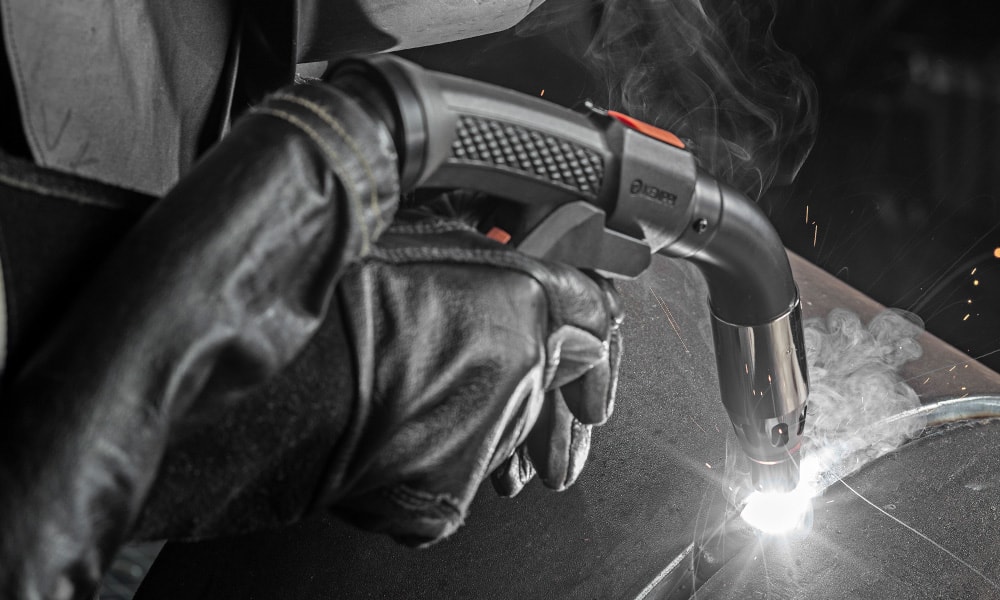
Development based on real use
The design of a Kemppi welding torch reflects user experience. The Flexlite GXe MIG welding torches were refined over more than two years through continuous feedback from professionals across various industries. Each detail was reviewed with daily work in mind. This approach ensures that technical design meets practical needs.
The tool that guides every weld
The welding torch is the most frequently handled and personally experienced part of the welding setup. It defines how each weld begins, develops, and completes. Choosing the right welding torch supports quality, efficiency, and long-term health. It supports the welder’s craft.
At Kemppi, we see it as a tool worth building well and selecting carefully.

Eetu Kivioja
Eetu Kivioja
Commercial Development Director for Kemppi and Trafimet torches. He has been working with welding guns and torches since 2017 at Kemppi. Focused on customer understanding and transparent product management communication. Still believes in the benefits of face-to-face meetings.
Related products
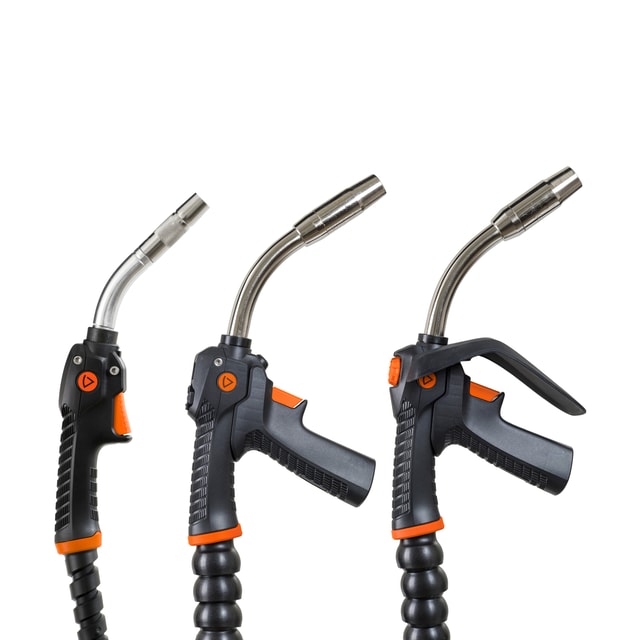
Product family
The Flexlite GXe MIG/MAG torch series is built to meet the demands of professional welders who need reliability, precision, and durability in every weld. Designed for demanding welding tasks, the Flexlite GXe enables excellent control, precision, and comfort – day after day, weld after weld.
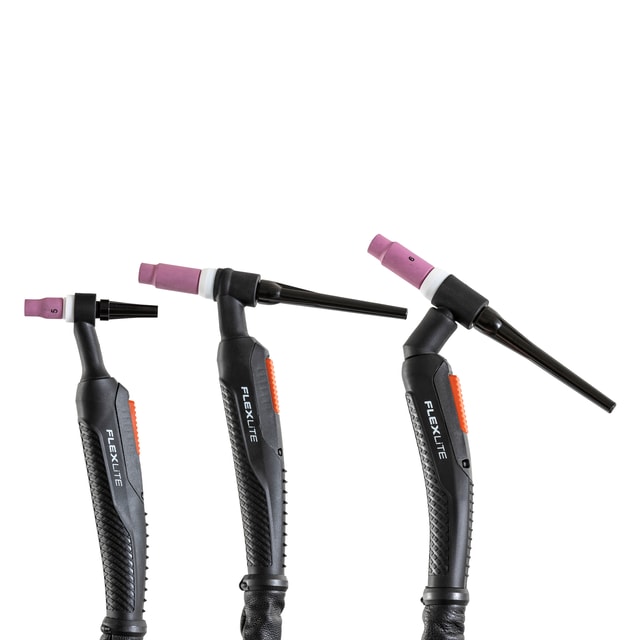
Product family
Flexlite TX welding torches are designed to be used with Kemppi's TIG welding equipment. The torch range includes several neck models, offering superb cooling performance and good access to challenging joint designs.
Product family
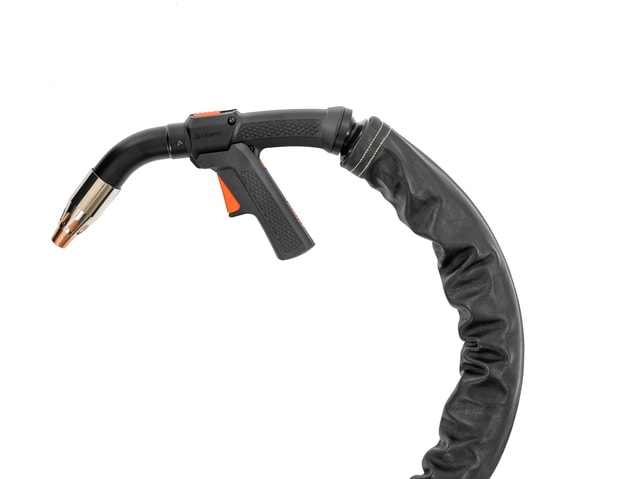
The Flexlite GF product series consists of several MIG/MAG welding torches with a fume extraction function. The efficient vacuum system extracts the welding fumes directly from the torch nozzle without disturbing the shielding gas flow.
More blog posts
Improving welder protection with a MIG welding torch heat protector
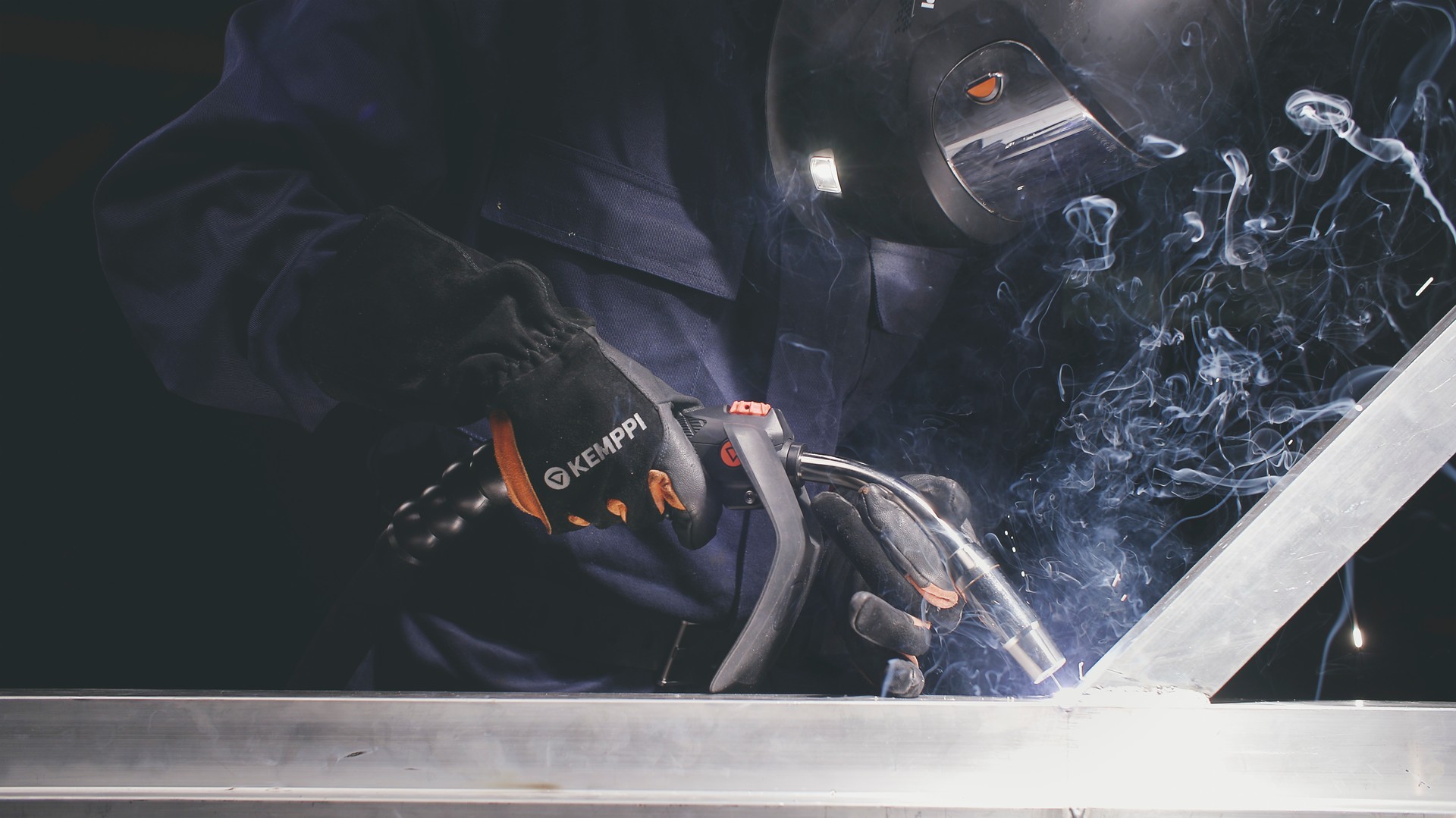
The welder’s safety and comfort are the most critical factors in the welding industry. Kemppi is a company that strives to improve the welding craft and ensure that welders can work in the best possible conditions.
Safety
How to choose the MIG/MAG welding torch
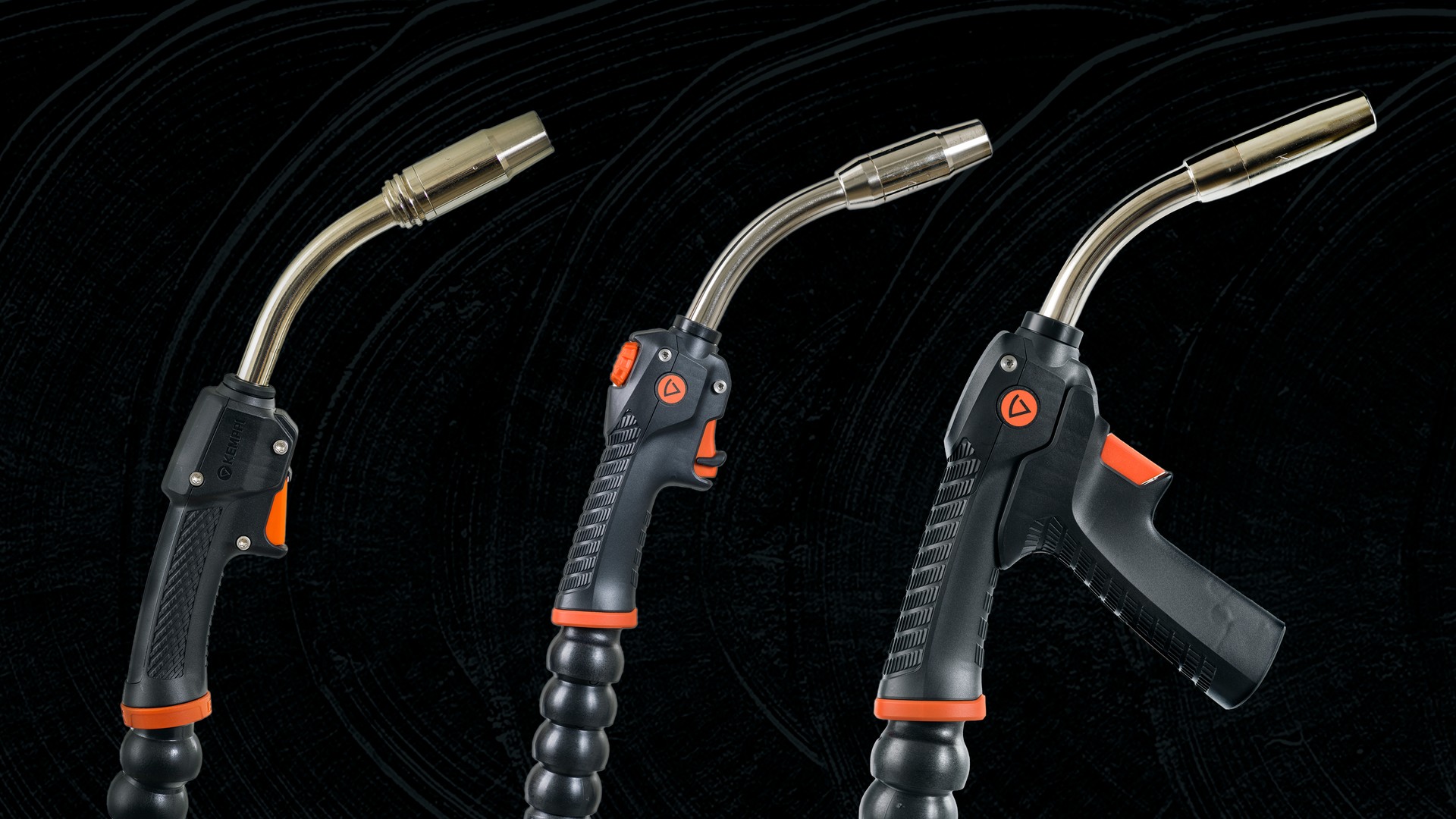
MIG/MAG welding is one of the most common and versatile welding processes. It is used for various applications, such as automotive, construction, fabrication, and maintenance. However, choosing a suitable welding torch for your job is essential to achieve optimal results.
Manual welding, Welding ABC
Choosing the right gas nozzle length for MIG (GMAW) welding
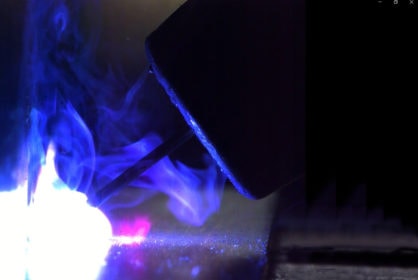
Gas nozzle length is an important feature in a MIG welding torch because nozzle length has an effect in contact tip heat load, contact tip spatter protection and welding current.
Welding ABC
An Ergonomic Welding Torch Is Not Created by Accident
The starting point for Kemppi’s usability planning is always understanding the user and different operating situations, i.e., what the users are like and where and how they use the product. The welder is always at the center of the product design of Kemppi's ergonomic Flexlite welding torches.
Innovation
Kemppi's advanced welding processes: TIG and stick welding (MMA)
In TIG welding, process development has mainly focused on modifying the current modes in different situations. In practice, this means variations of pulse and AC welding, as well as ignition or tack welding. In the case of pulse welding, the welding machine user has numerous choices, as the adjustment possibilities for these process variations are highly versatile.
Welding ABC, Manual welding
Magnetism in welding: how to deal with magnetic blow
When welding ferritic steels, especially high-strength grades, magnetic blow can become a real challenge. This phenomenon occurs when magnetic fields interfere with the welding arc, causing instability, spatter, and sometimes making welding almost impossible.
Manual welding