Safety
Welding protective clothing redefined: How Kemppi brings comfort, compliance and customization to professional welders
August 19, 2025
Jarno Väistö
Kemppi’s new welding protective clothing collection delivers certified protection, tailored comfort and functional design — all developed in close cooperation with professional welders. Built to meet the demands of daily work and the highest industry standards, the garments will complete Kemppi’s safety offering.
Designed by welders, built for reality
Kemppi’s latest addition to its professional welding portfolio isn’t a new power source or helmet — it’s something even closer to the welder’s skin. The recently launched welding protective clothing collection embodies the same philosophy that has guided the company’s legacy for decades: safety, usability, and precision, grounded in real work-life conditions.
“We knew welders needed protection from head to toe. We were already providing helmets and gloves — so clothing was the natural next step,” says Krystian Szambelan, Commercial Product Manager at Kemppi.
But rather than merely adding another layer to their offering, Kemppi set out to rethink what welding workwear should look and feel like. The result is a CE-certified, EN-compliant product family that is both functional and flexible, made from flame-retardant materials, tailored for industrial use, and discreet in design.
When safety isn’t optional
Welding work is inherently risky — and the statistics prove it. In the United States alone, over 560,000 workers are injured annually in welding-related incidents. The trade accounts for nearly a quarter of all fatal workplace accidents, and one-third of nonfatal amputations occur in welding settings. Across the European Union, nearly 3 million non-fatal workplace injuries were reported in 2022, with manufacturing industries — including welding — among the highest-risk sectors.
What many of these incidents have in common is preventability. Certified protective equipment — especially flame-resistant clothing — plays a critical role in mitigating injury from sparks, heat, and molten metal.
Kemppi’s new protective clothing line is designed to answer this exact need: to make high-standard PPE accessible, comfortable, and compliant by default.
Compliance made comfortable
Whether in a shipyard, a fabrication shop, or an automotive production line, protective workwear is not optional — it’s a legal and ethical obligation.
“Still, many smaller companies cut corners,” notes Fredrik Larsson, Key Account Manager Nordics at Kemppi. “They use uncertified cotton clothing in welding environments, thinking it’s good enough. But it’s not. Cotton burns. Our aim is to make the safe choice the easy one.”
The entire collection is certified according to EN ISO 11611, EN ISO 11612 and EN ISO 1149-5 — standards that define essential protection against heat, sparks, molten metal and static electricity. These aren’t checkboxes; they’re the foundation for workplace safety and compliance across the EU and beyond.
Functional details meet user-driven design
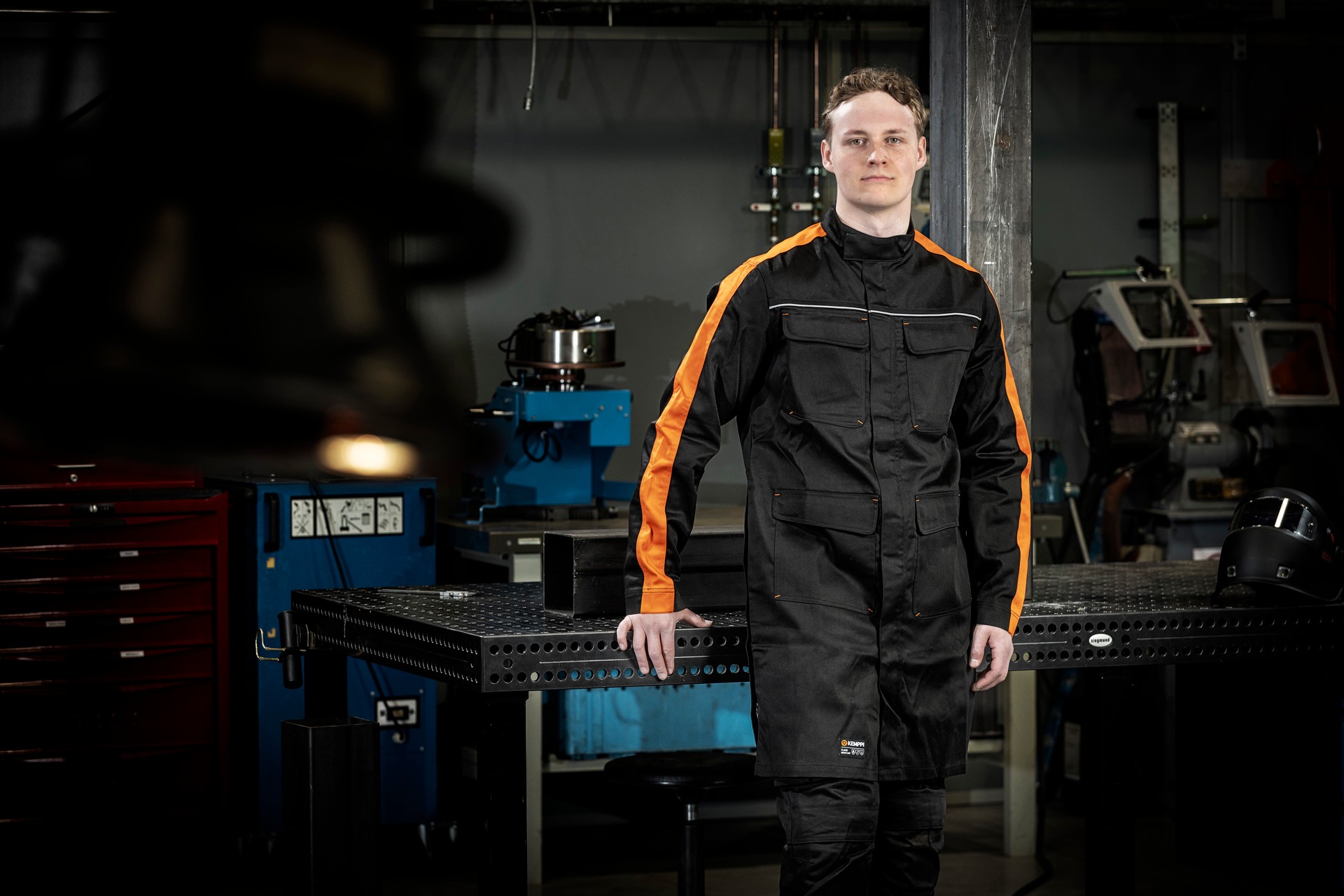
At the heart of the collection lies an uncommon attention to detail. Each garment — be it the Helsinki jacket, Porvoo long jacket, or Lahti trousers — includes highly functional features based on end-user insight.
“Welders know best what they need,” Szambelan explains. “So we interviewed professionals and held on-site workshops to identify gaps in current offerings.”
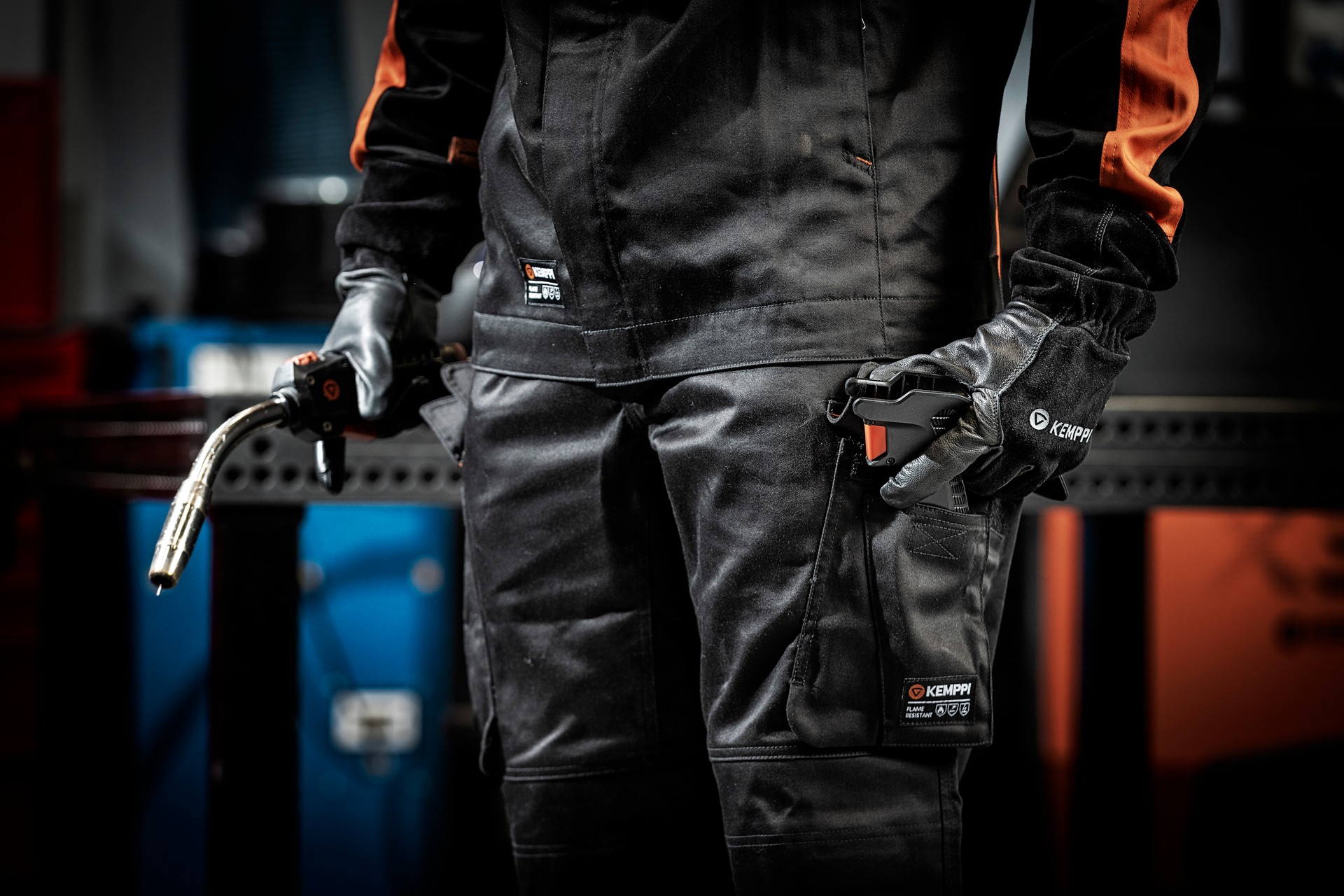
Those discussions turned into practical solutions: multifunctional pockets tailored for torch handles, calipers, and multitools; adjustable cuffs, collars, and waistbands; reinforced stress points; and extendable trouser legs to ensure proper fit across a wide size range (XS–5XL).
Even the branding has been minimized. “Our design is deliberately neutral,” Szambelan says. “That gives companies room to apply their own logos and integrate the garments into their brand identity.”
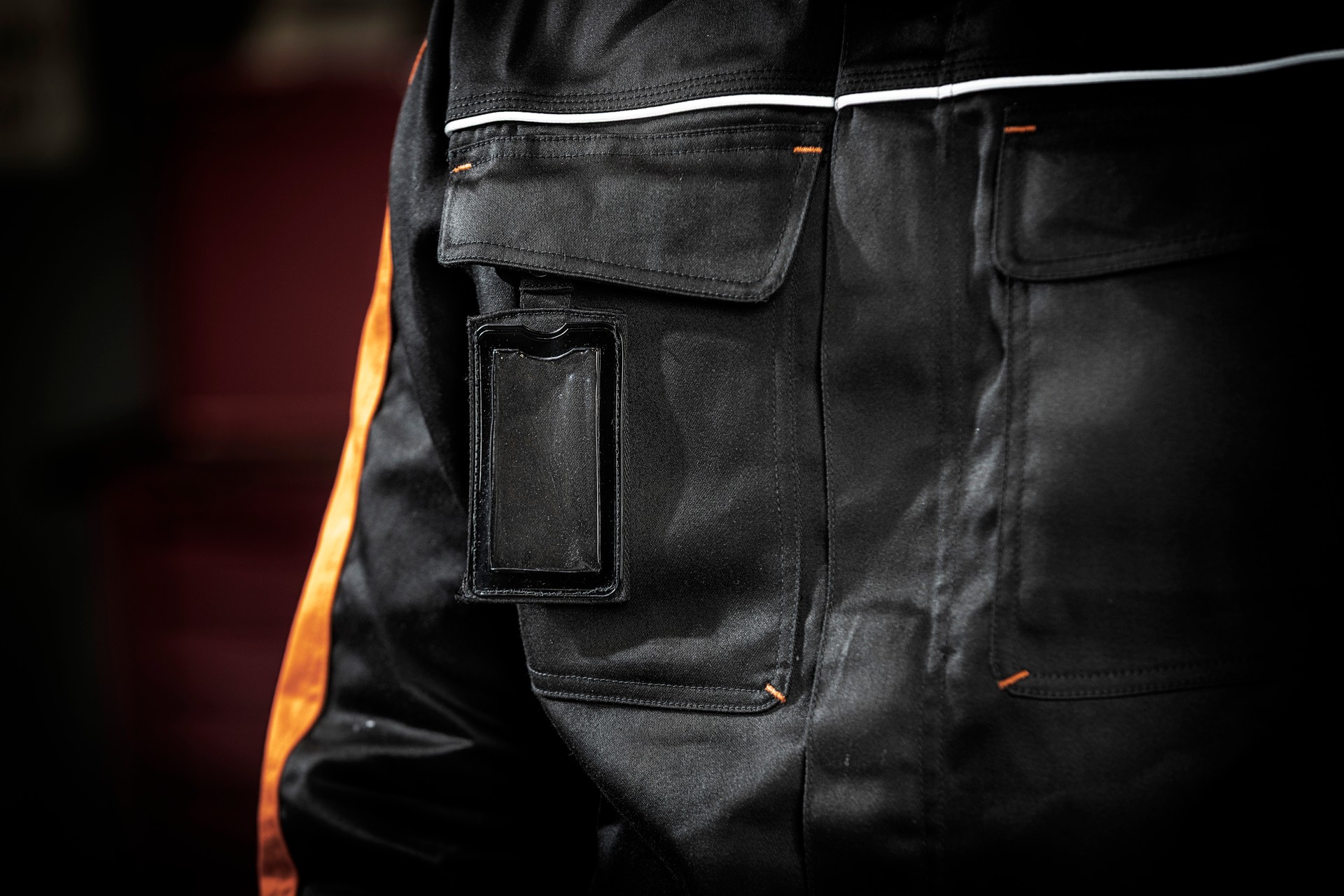
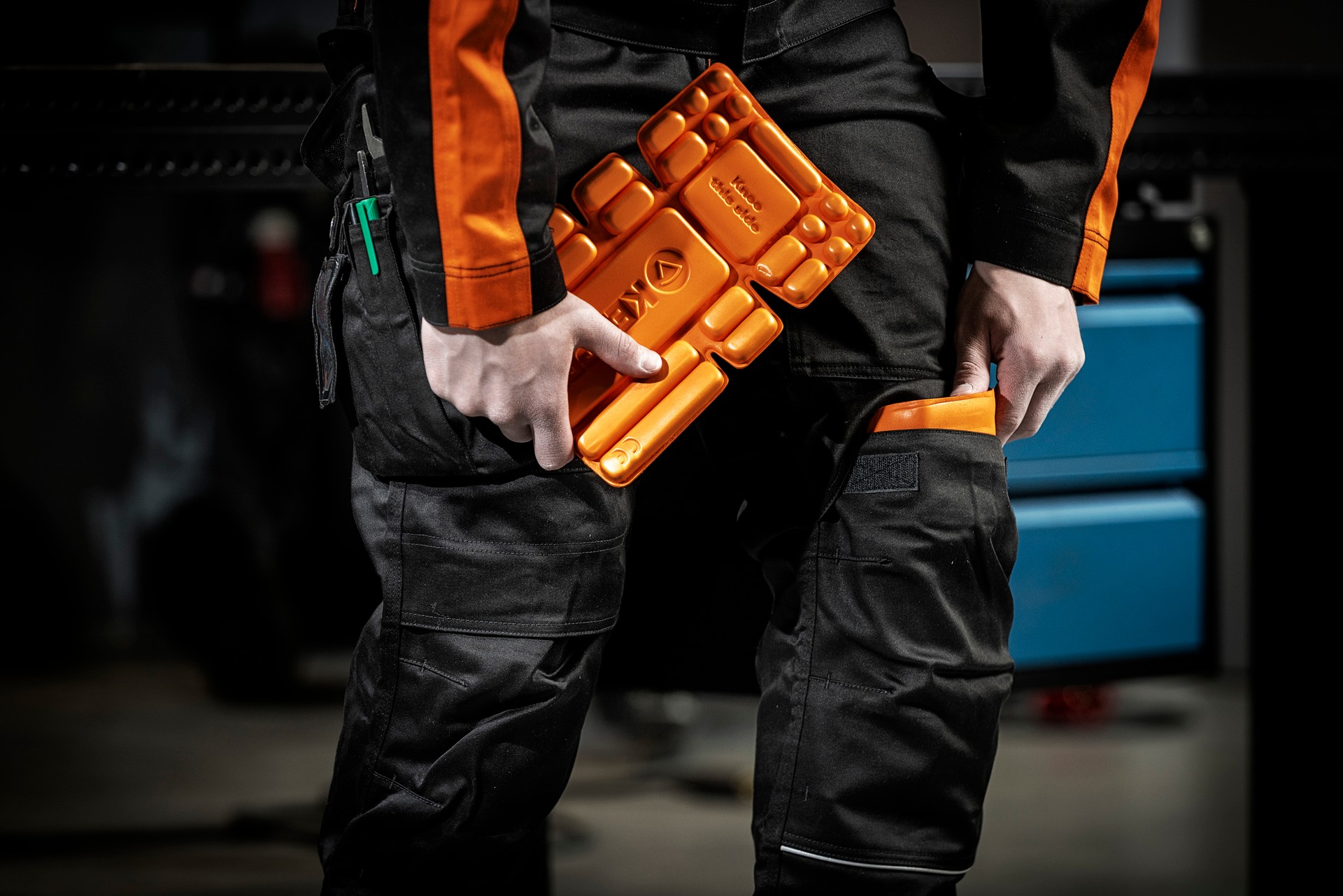
Welding protective clothing, field-ready, and field-approved
Although only recently launched, early reactions to the Kemppi welding protective clothing line have been promising.
“I’ve shown the garments to several dealers and end users,” Larsson says. “The response has been very positive. People are especially interested in the durability and adjustability. The unisex design and wide sizing make it easier to manage at the fleet level.”
Internally, Kemppi’s own welders have helped shape and test the designs, adding a layer of authenticity and practical validation.
Entry-level simplicity, enterprise-grade impact
This first wave of Kemppi welding wear is positioned as an entry-level range, but with a professional mindset. The goal is to offer full-body protection that matches real-world working conditions — without overcomplicating or overpricing.
The garments are made of Proban®-treated cotton-polyester-carbon blends and rated for at least 25 washes, in line with EN standards. According to Szambelan, that’s usually more than enough: “In most use cases, welding garments are replaced every six months anyway.”
Toward a safer and smarter future — Making the right choice easy
Looking ahead, Kemppi isn’t done. Plans are already in motion to extend the range with higher protection levels, winter-ready items, and even high-visibility variants for darker working conditions. Smart textiles and sustainability remain on the radar — but not at the cost of safety.
“Recycling flame-retardant garments is technically complex, and the standards are strict,” Szambelan explains. “We monitor EU projects around this, but currently, protection must come first.”
In a sector where safety and productivity go hand in hand, Kemppi’s approach stands out: not by shouting louder, but by listening more carefully. The collection is built on real user feedback, rigorous standards, and an ecosystem approach that spans welding equipment, PPE, and now protective clothing.
“Ultimately, it’s about giving professionals gear they can trust — and wear with confidence,” Larsson concludes.
Explore the full Kemppi welding protective clothing collection
Discover all garments, certifications, and technical features
Want tailored advice for your industry or use case?

Jarno Väistö
Jarno Väistö
An experienced communications professional with a versatile international background in journalism and marketing. Having sat in every seat around the content table — from journalist to editor-in-chief and from in-house marketer to agency specialist — brings a 360° perspective to every content piece. Specializes in industrial and technological subject matter with a storified human touch.
Related products
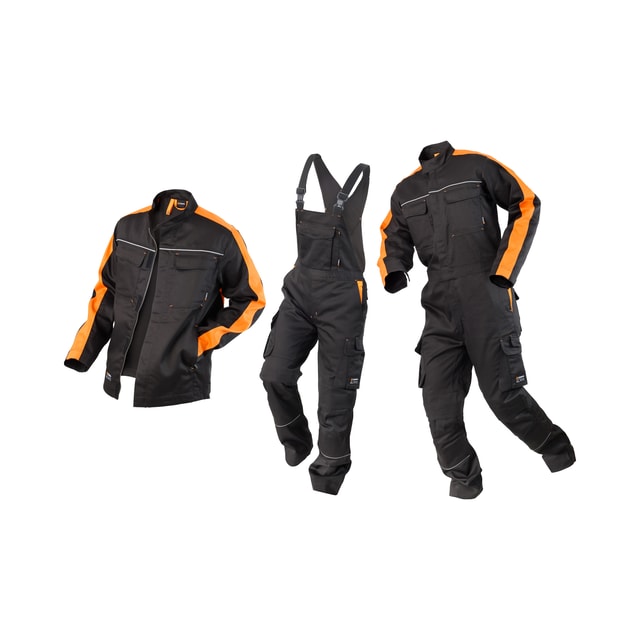
Product family
Kemppi welding workwear collection is engineered with advanced design and certified flame-retardant materials for your ultimate protection and comfort during welding.
More blog posts
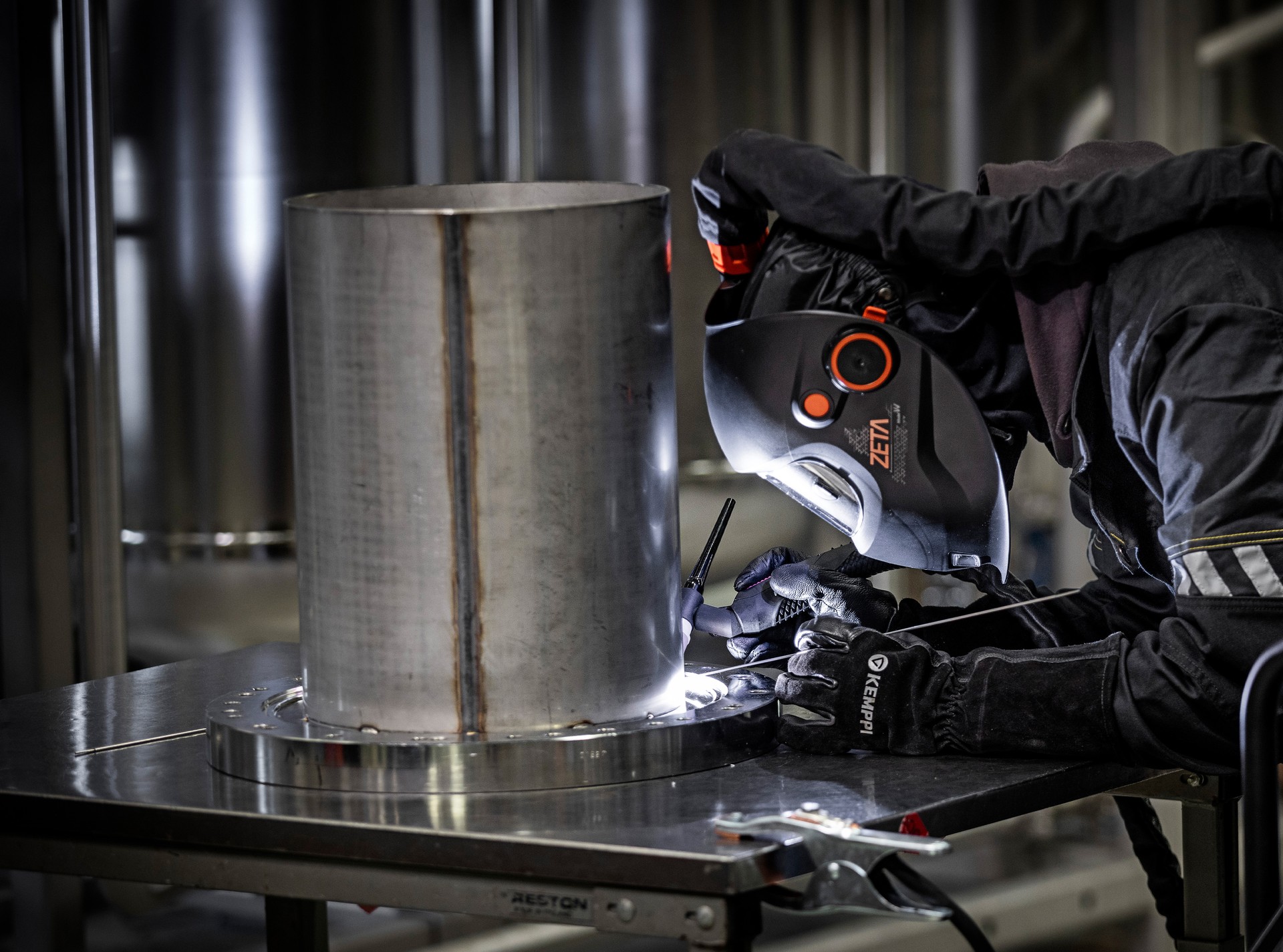
Expert insights: Choosing welding helmets and respiratory protection – prioritizing safety over cost
Selecting the right welding helmet and respiratory protection system is crucial for protecting welders in high-risk environments. While cost may factor into decisions, the need for effective, high-quality protection should always come first.
Safety, People
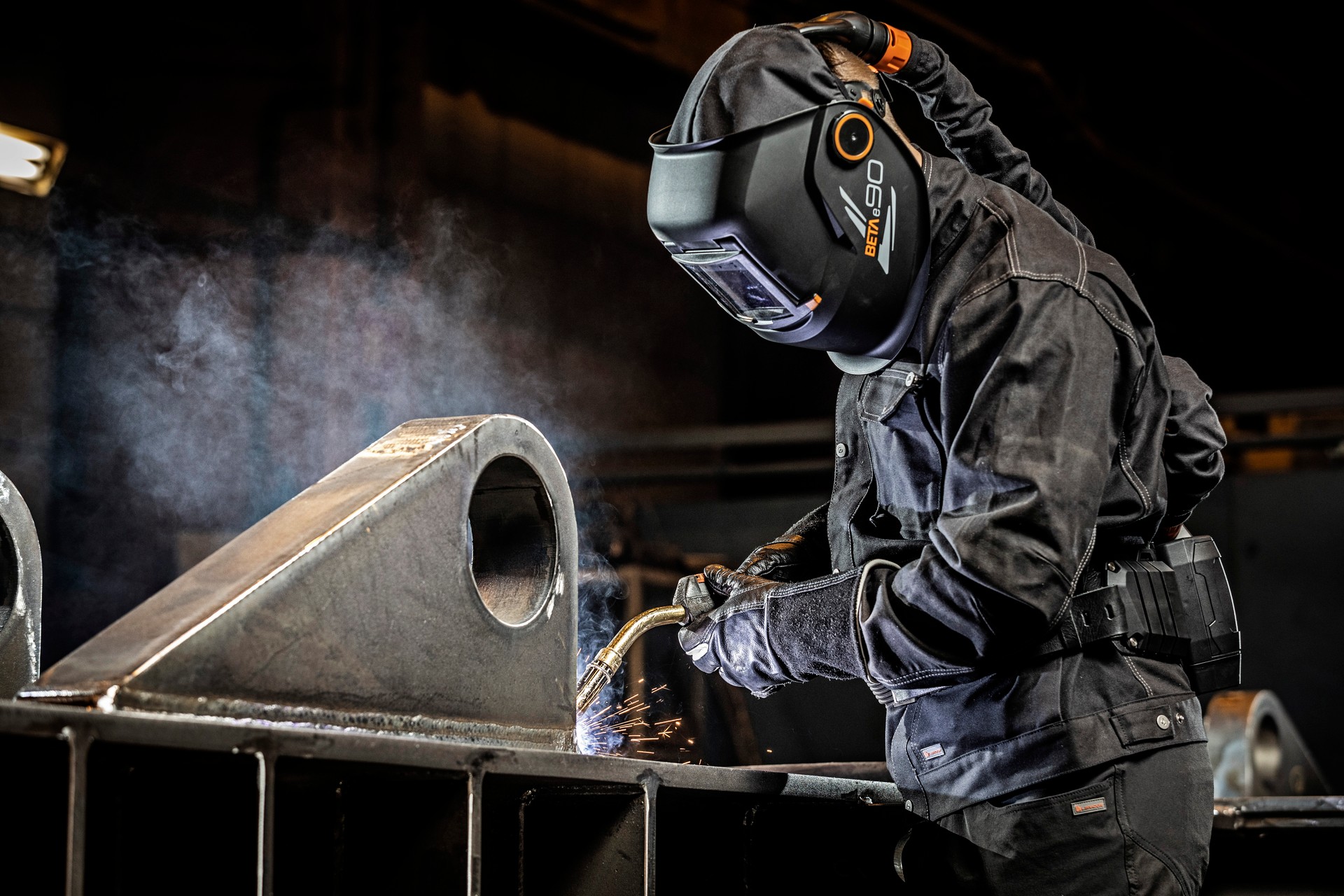
Welding safety and welding hazards
Why welding safety is important and how to avoid the most common welding hazards
Welding ABC
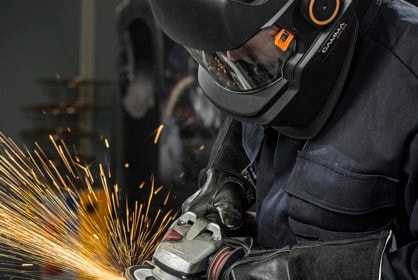
There is something in the air – invest in welder's safety
You’ve probably seen pictures of contaminants? Those tiny little particles that can't be seen with the eye but look horrifying through the microscope lens. If you could actually see them floating around you, would you not use the maximum protection available?
Safety
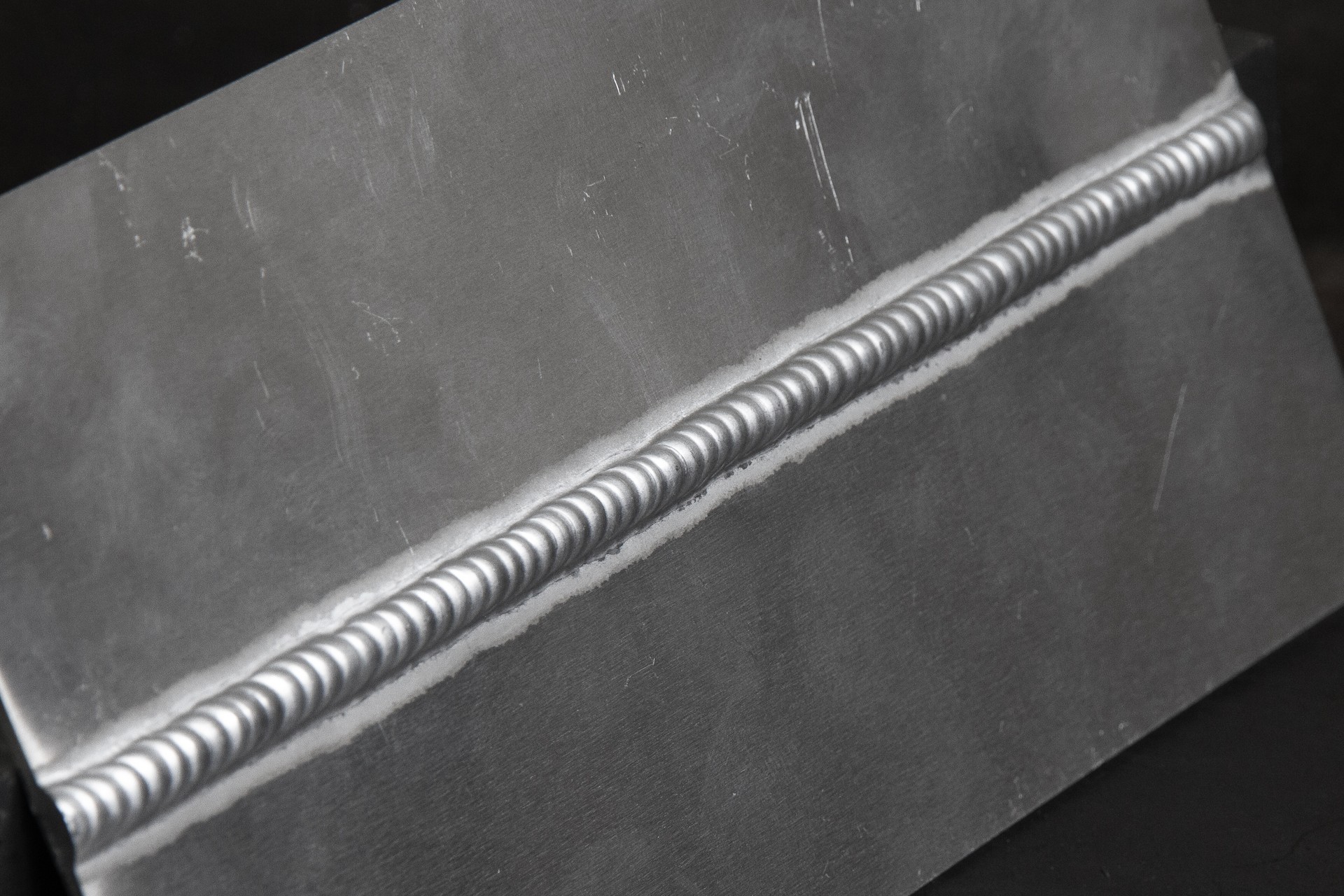
Kemppi's advanced welding processes: TIG and stick welding (MMA)
In TIG welding, process development has mainly focused on modifying the current modes in different situations. In practice, this means variations of pulse and AC welding, as well as ignition or tack welding. In the case of pulse welding, the welding machine user has numerous choices, as the adjustment possibilities for these process variations are highly versatile.
Welding ABC, Manual welding
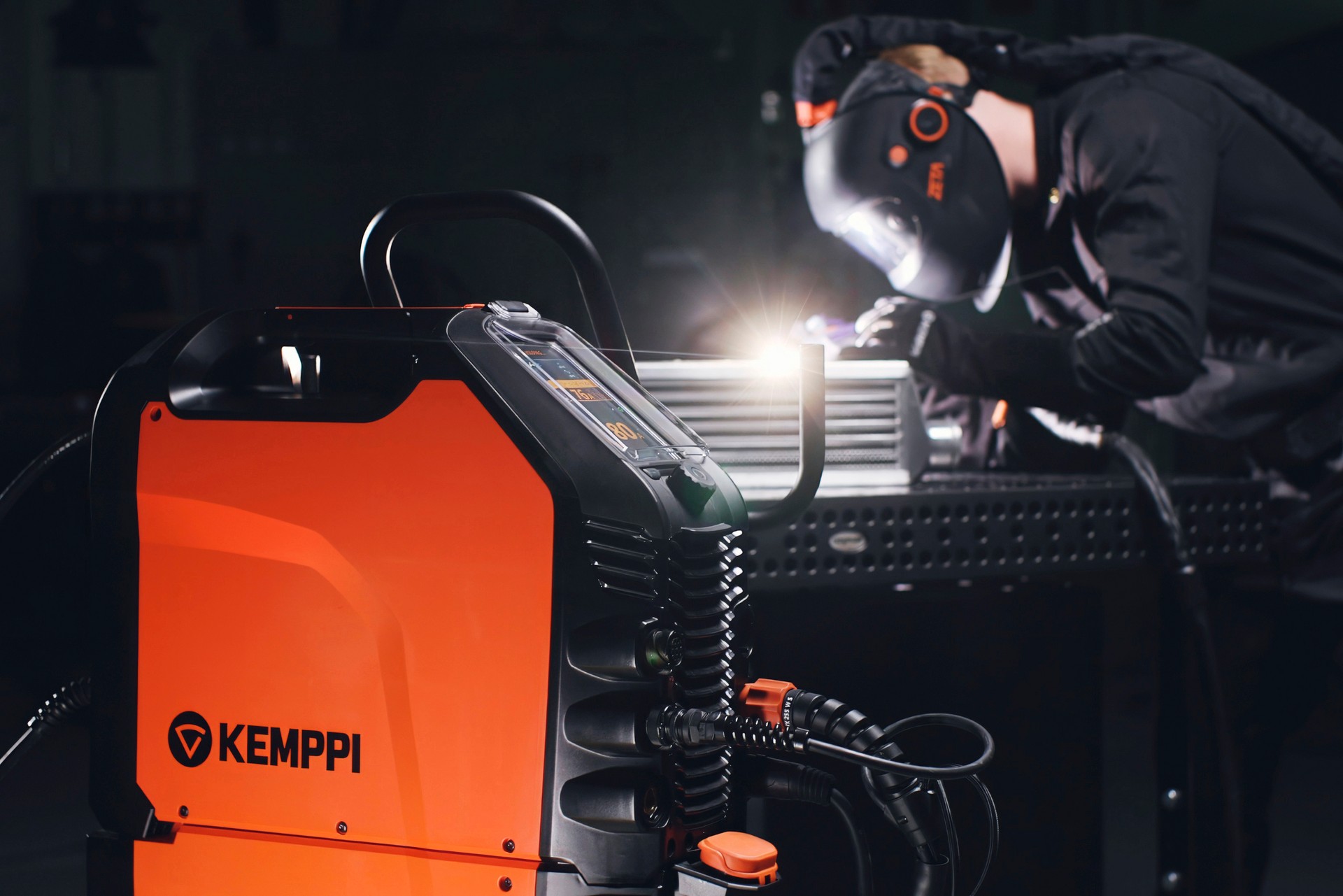
Magnetism in welding: how to deal with magnetic blow
When welding ferritic steels, especially high-strength grades, magnetic blow can become a real challenge. This phenomenon occurs when magnetic fields interfere with the welding arc, causing instability, spatter, and sometimes making welding almost impossible.
Manual welding
Welding performance starts at the torch
A closer look at the most hands-on part of every weld.
Manual welding