Welding ABC
How to use a welding particle filter
March 24, 2024
Learn about the particulate filter in your welding respirator
Kemppi marketing
WHAT IS A WELDING PARTICLE FILTER?
A particulate filter is responsible for capturing airborne particles and helping maintain positive breathing pressure as air moves through a welding respirator.
It sits inside the filter unit alongside a prefilter, a gas filter, or an optional odor filter. To increase welding safety, using a fresh particle filter is strongly recommended.
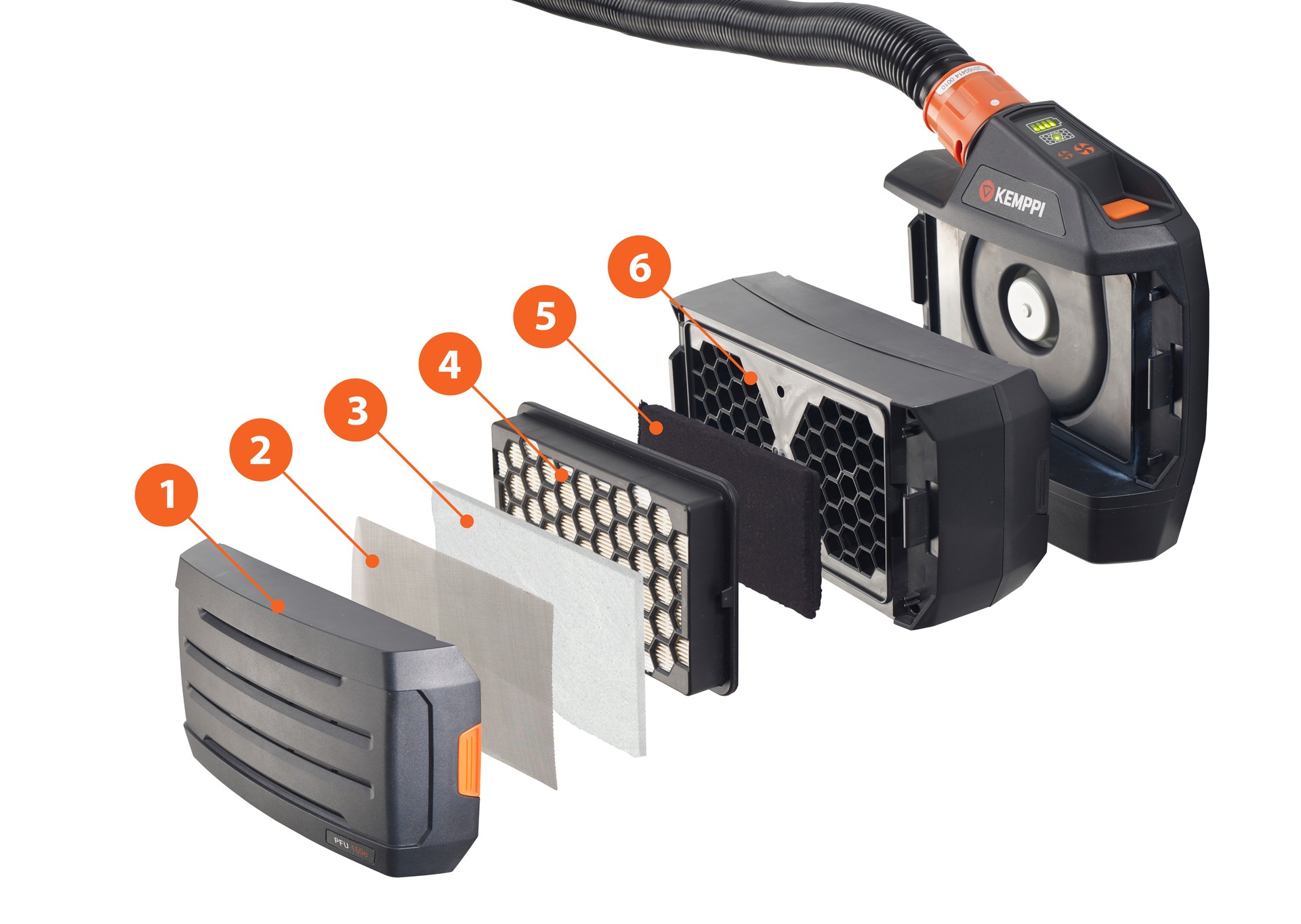
Filter cover
Spark arrester
Pre-filter
Particle filter
Odor filter: Removes unpleasant odors. Optional accessory. Do not use if a gas filter is present
Gas filter: Removes gases and vapors
WHEN SHOULD A PARTICLE FILTER BE CHANGED?
In a typical industrial work environment, a welding particle filter should be changed once a month. However, if the working conditions are extremely dirty, Kemppi recommends changing the particulate filter in the respirator after every work shift.
Do not wait for the 'change filter' alarm on a welding respirator. This warning indicates that the performance of your welding particle filter is already seriously compromised.
The peace of mind and long-term health benefits of breathing safe air far outweigh the relatively small cost of changing your particle filters regularly.
THREE REASONS TO CHANGE YOUR PARTICLE FILTERS
1. Improve welding safety
Changing particle filters regularly ensures that the respirator delivers fresh air into the helmet for long-term welding safety and a better work experience.
2. Optimize respirator performance
A clogged particulate filter changes the back pressure in a welding respirator and forces the mechanical parts inside to wear out faster than normal.
3. Increase productivity
A fresh welding particle filter maintains efficient airflow and prevents excessive fan use that hurts productivity by draining the battery faster.
HOW DO YOU CHANGE A WELDING PARTICLE FILTER FOR KEMPPI PFU210E
Never attempt to clean a particulate filter. Blowing pressurized air into a particle filter can degrade its performance and potentially damage your welding respirator.
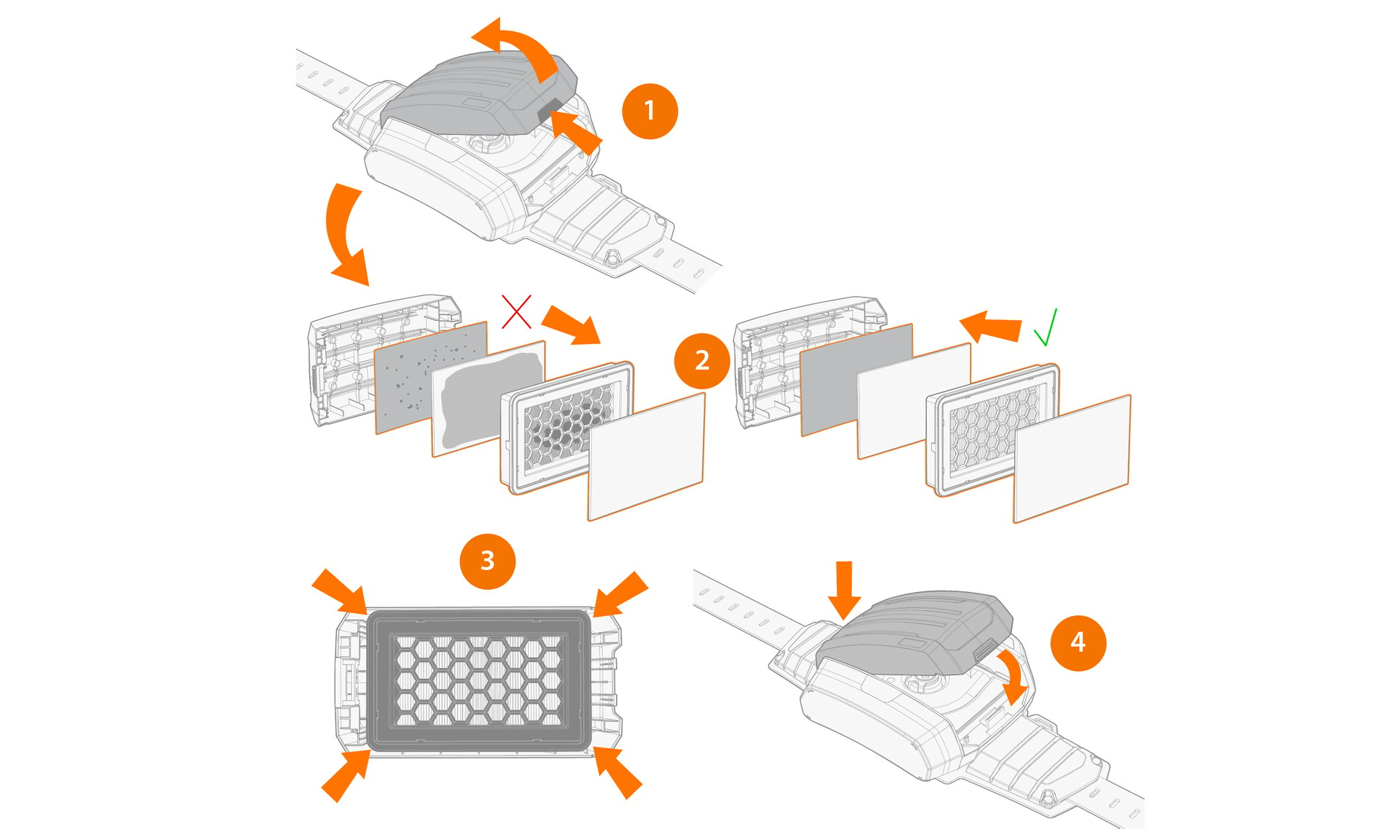
CHANGING WELDING RESPIRATOR FILTERS
Press the 'open' button to remove the filter unit cover
Check the condition of all filters (sometimes just the prefilter is dirty)
Remove clogged filters
Place the new filter in the correct place (make sure it fits tightly)
Attach the blower unit cover
Carefully push the hinged side into place
Using a welding particle filter correctly improves welding safety while also maximizing the performance and effective lifespan of a welding respirator.

Kemppi marketing
Kemppi marketing
Kemppi marketing aims to evoke discussion on the transformation of modern welding and bring you the latest stories from within the global welding industry, told by true experts in their respective fields.
Related products
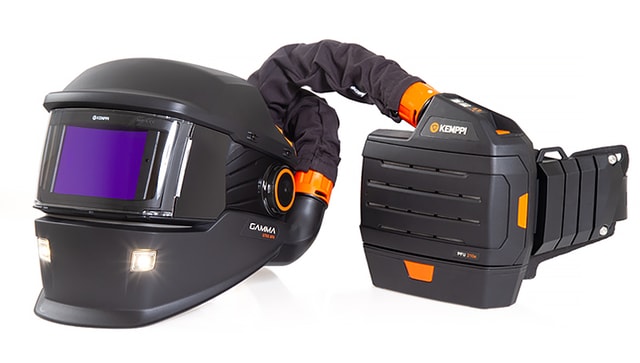
Product family
Gamma GTH3 respirator models meet the highest EU classification for respiratory performance (TH3) protecting you from 99.8 % of airborne fumes and particulate. Available with battery powered filter units and regulated supplied air models.
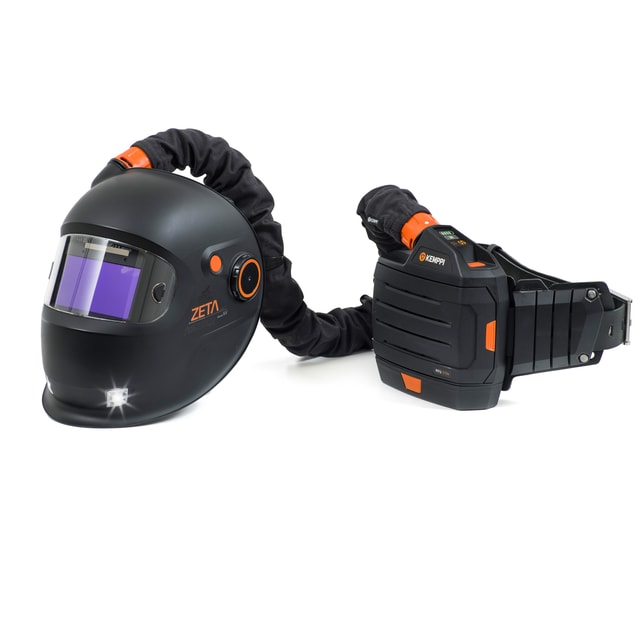
Product family
Zeta Fresh Air is a complete respiratory protection system that includes a lightweight welding and cutting helmet and a certified Kemppi respirator.
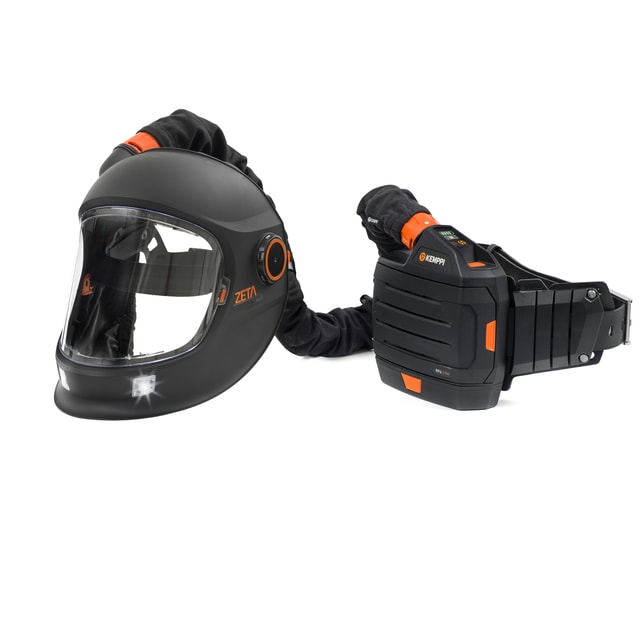
Product family
Zeta Fresh Air G is a complete respiratory protection system that includes a well-balanced grinding helmet with a large visor and a certified Kemppi respirator.
More blog posts
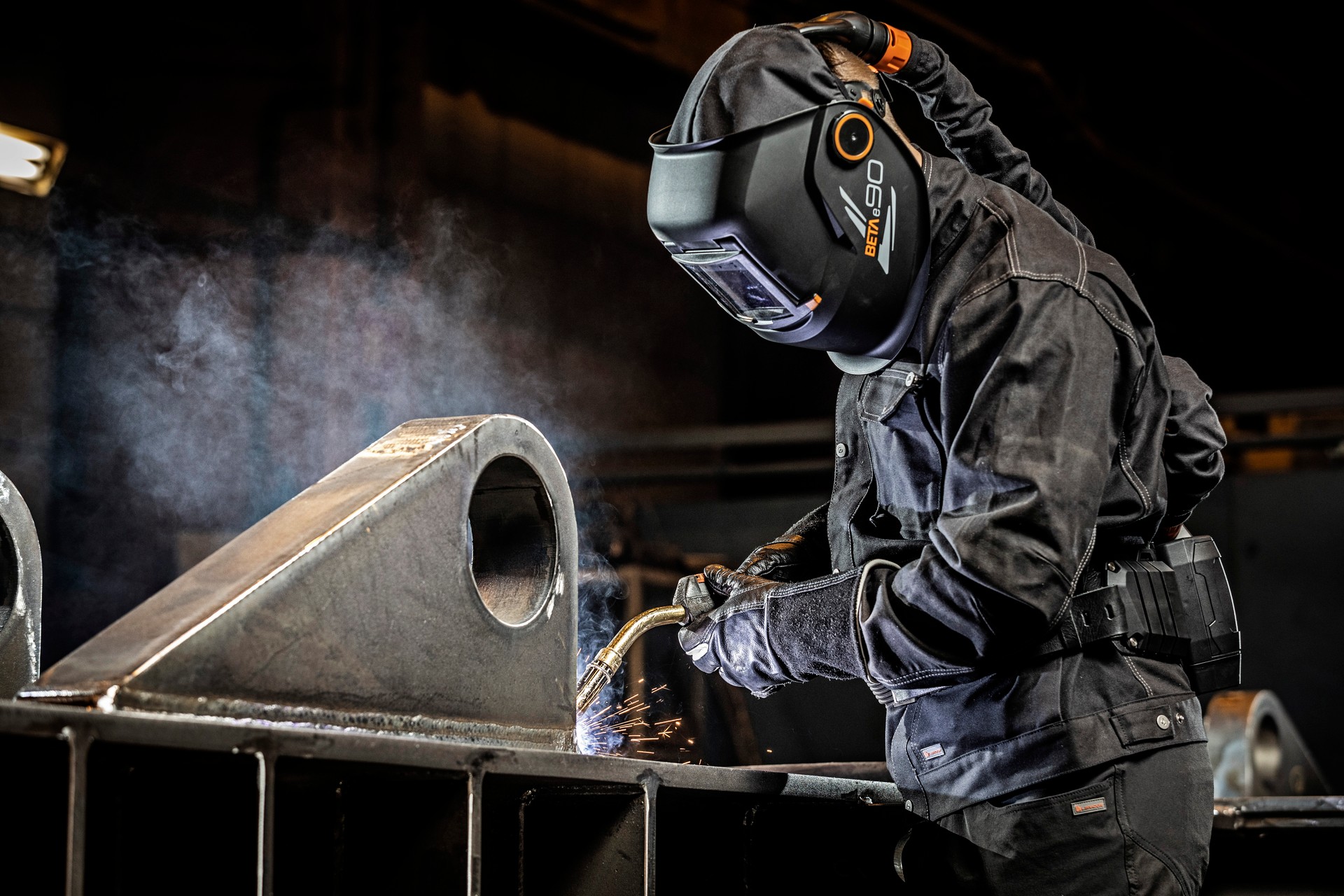
Welding safety and welding hazards
Why welding safety is important and how to avoid the most common welding hazards
Welding ABC

MIG/MAG welding
MIG welding applications, equipment, and techniques
Welding ABC
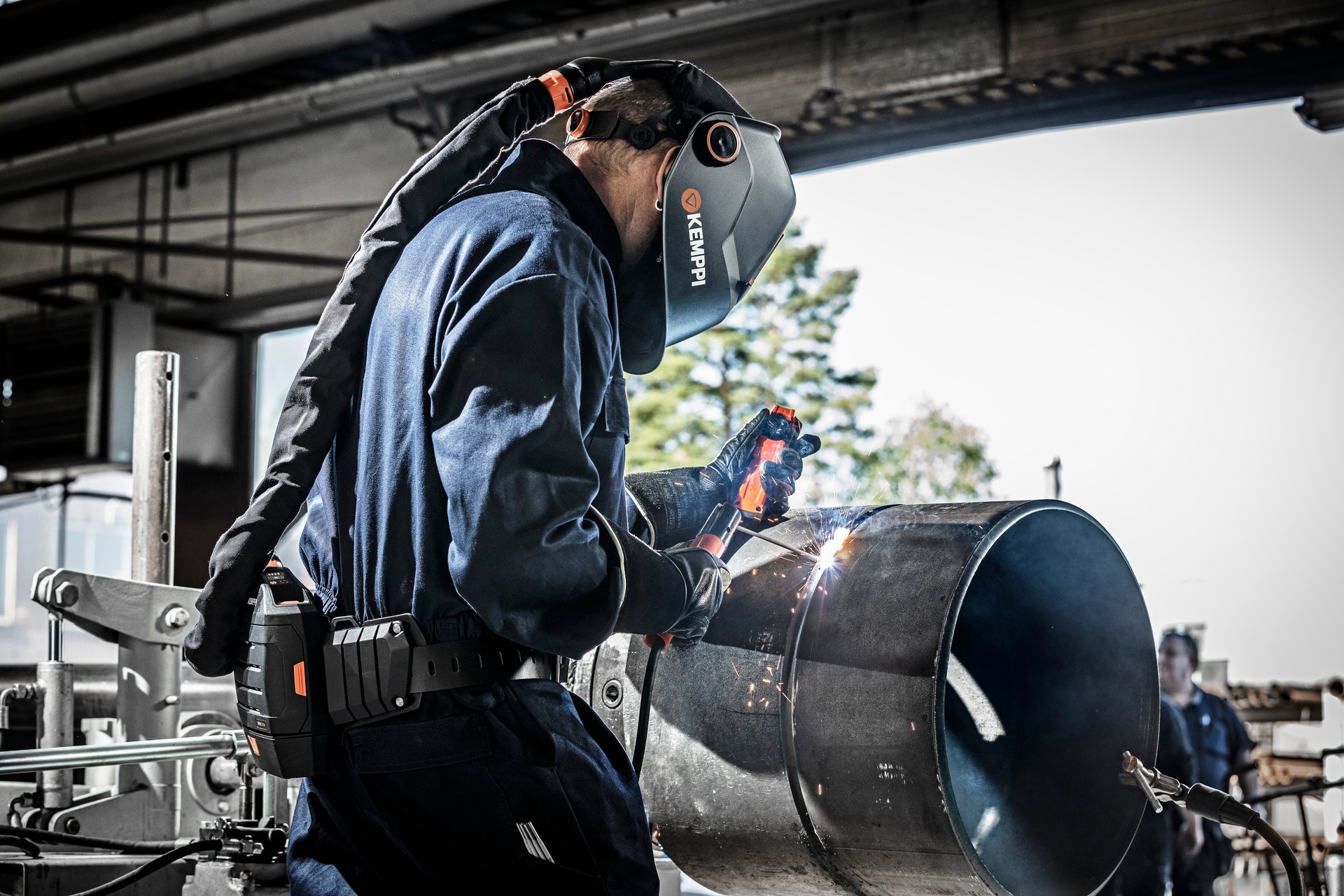
Stick welding
Applications, equipment, electrodes, and techniques for stick welding
Welding ABC
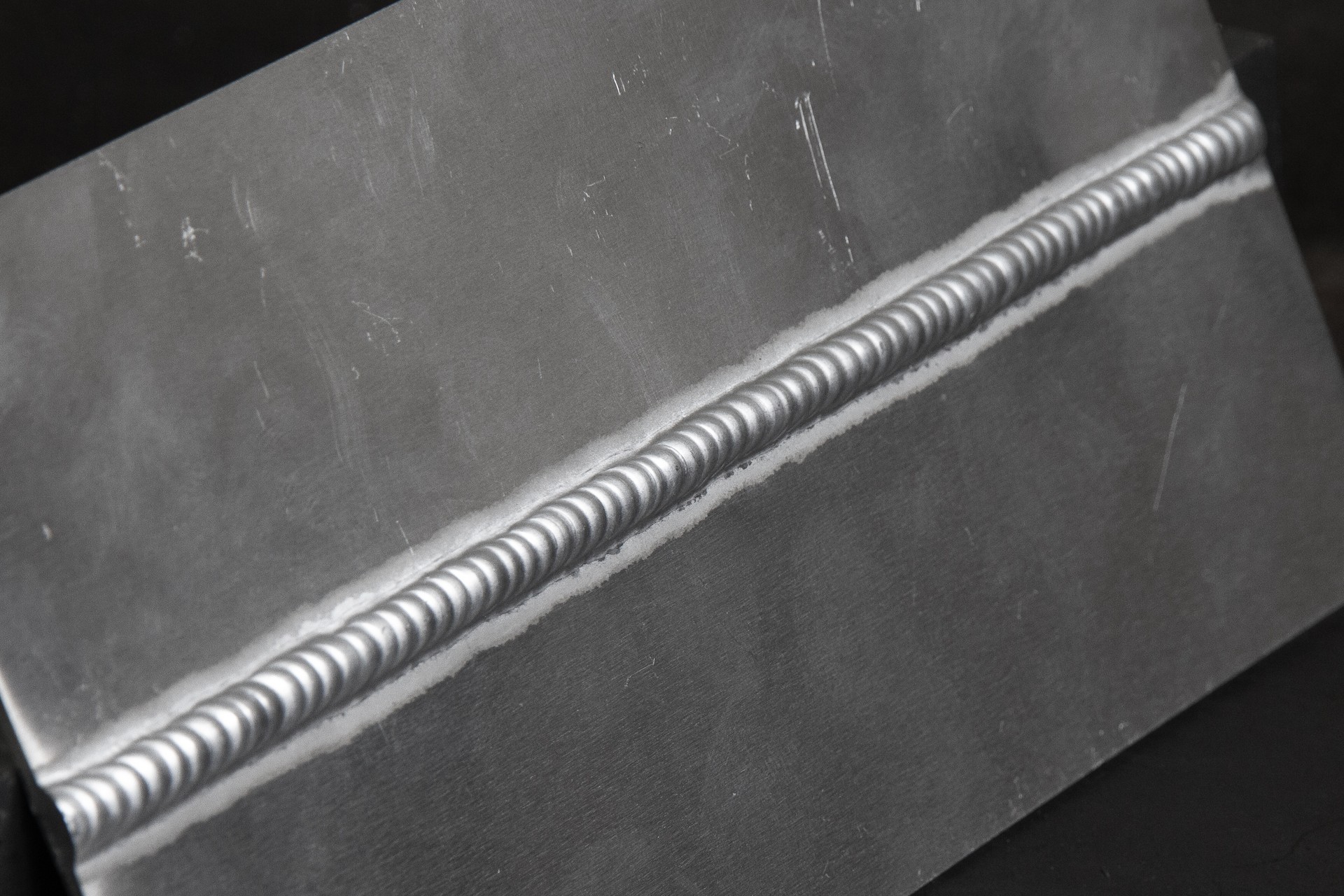
Kemppi's advanced welding processes: TIG and stick welding (MMA)
In TIG welding, process development has mainly focused on modifying the current modes in different situations. In practice, this means variations of pulse and AC welding, as well as ignition or tack welding. In the case of pulse welding, the welding machine user has numerous choices, as the adjustment possibilities for these process variations are highly versatile.
Welding ABC, Manual welding
Magnetism in welding: how to deal with magnetic blow
When welding ferritic steels, especially high-strength grades, magnetic blow can become a real challenge. This phenomenon occurs when magnetic fields interfere with the welding arc, causing instability, spatter, and sometimes making welding almost impossible.
Manual welding
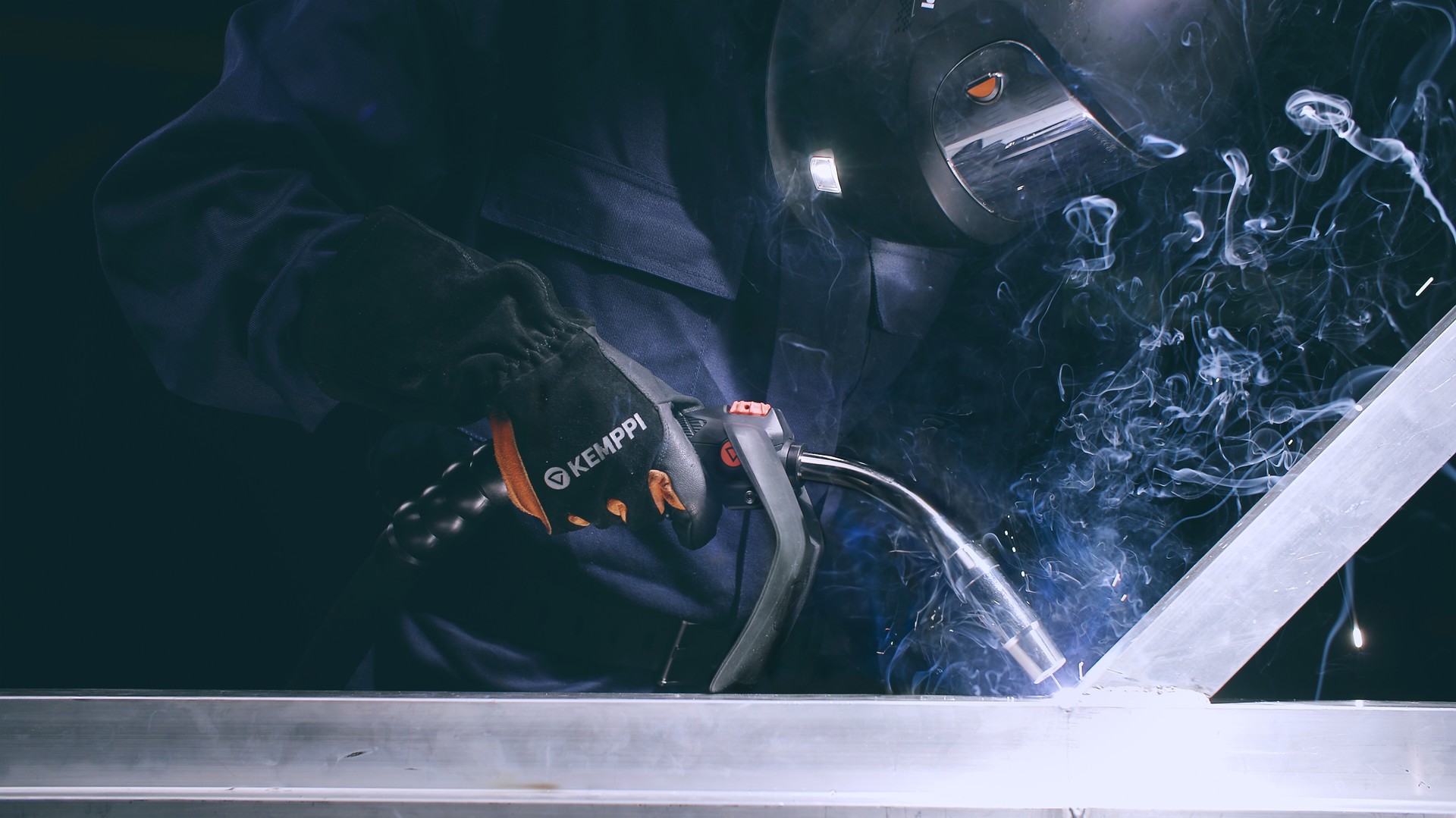
Welding performance starts at the torch
A closer look at the most hands-on part of every weld.
Manual welding